
The music industry is undergoing a period of rapid transformation as technology, digital platforms, and changing listener behaviors reshape how music is created, distributed, and consumed. In 2026, innovation is not only influencing how artists produce music but also how they connect with global audiences and build sustainable careers. Artificial intelligence, streaming technology, independent distribution, and new business models are all contributing to a more dynamic and accessible music ecosystem.
At the same time, the industry is witnessing the rise of new voices and emerging artists who are redefining musical creativity. These artists often combine diverse genres, cultural influences, and digital storytelling to build dedicated fan communities. The evolution of the music industry highlights the importance of adaptability, creativity, and technological awareness for both established musicians and newcomers.
Understanding the key innovations and emerging talent shaping the music world in 2026 can help listeners, creators, and industry professionals anticipate the future of music.
Table of Contents
ToggleArtificial Intelligence Transforming Music Creation
Artificial intelligence has become one of the most significant technological innovations in the music industry. AI tools are now capable of assisting with songwriting, sound design, and music production, allowing artists to experiment with new sounds and creative possibilities. Musicians can use AI-powered platforms to generate melodies, suggest chord progressions, or enhance mixing and mastering processes.
In addition to assisting artists, AI has also given rise to partially or fully AI-generated music projects. Some digital artists and experimental creators use artificial intelligence to produce entire compositions or collaborate with technology in the creative process. These developments show how technology can influence music production and encourage new forms of artistic experimentation.
However, the increasing use of AI has also raised questions about copyright ownership, originality, and fair compensation for human creators. As a result, many streaming platforms and industry organizations are developing guidelines and detection systems to manage AI-generated content responsibly. The goal is to ensure transparency while still encouraging technological innovation.
The Continued Expansion of Streaming Platforms
Streaming services remain the dominant way people consume music in 2026. Digital platforms allow listeners to access millions of songs instantly while providing powerful tools for discovering new artists. Personalized playlists, recommendation algorithms, and curated collections help listeners explore music based on their interests and listening habits.
Another major trend is the shift from genre-focused listening to mood-based music discovery. Instead of searching only by genre categories such as pop, rock, or hip-hop, many listeners now choose playlists designed around emotions, activities, or specific atmospheres. This reflects how music is increasingly integrated into everyday experiences such as studying, relaxing, exercising, or traveling.
Streaming platforms also offer valuable audience insights for musicians. Data about listener demographics, locations, and engagement patterns helps artists understand their audience more clearly. With this information, musicians can make better decisions about marketing strategies, touring locations, and future music releases.
The Rise of Independent Artists and Digital Distribution
The growth of digital distribution has created new opportunities for independent musicians. In the past, artists often depended heavily on major record labels for promotion, distribution, and financial support. Today, many musicians can release their music directly through digital distribution platforms and reach global audiences without traditional industry gatekeepers.
Independent artists frequently use social media platforms and online communities to build their careers. By sharing behind-the-scenes content, music previews, and personal stories, musicians can create authentic connections with their fans. This direct interaction helps artists build loyal communities that support their work through streaming, merchandise purchases, and live shows.
New independent labels and creative collectives are also emerging to support developing talent. These organizations provide resources such as recording opportunities, marketing assistance, and industry guidance. As a result, more musicians from diverse cultural backgrounds can participate in the global music scene.
Emerging Artists Gaining Global Recognition
The music industry in 2026 is witnessing the rise of many promising artists who are bringing fresh ideas and diverse influences into the mainstream. Emerging musicians often combine multiple genres and cultural elements to create unique musical identities. Their ability to connect with audiences through digital platforms has accelerated their growth and visibility.
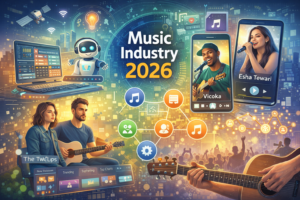
One rising indie pop singer-songwriter gaining attention is Esha Tewari. Her music blends emotional storytelling with modern pop and indie sounds, focusing on themes such as identity, relationships, and personal experiences. Through digital releases and online engagement, she has attracted a growing audience of listeners who appreciate her authentic style.
Another artist gaining recognition is Vicoka, a Nigerian singer and songwriter known for combining Afropop and Afrobeats influences. His music often reflects personal experiences and cultural identity, creating songs that resonate strongly with listeners. The global popularity of African music styles has also helped bring artists like him into the international spotlight.
The indie pop duo The Two Lips is another example of emerging talent in the modern music landscape. Their music blends dreamy pop production with introspective lyrics and artistic storytelling. Through digital platforms and social media engagement, they have gradually built a dedicated fan base.
These artists demonstrate how creativity, cultural diversity, and digital connectivity are shaping the next generation of global music talent.
Innovation in Live Music and Artist Communities
Despite the growth of digital music consumption, live performances remain a vital part of the music industry. Concerts, music festivals, and small performance venues provide opportunities for artists to connect directly with their audiences. For emerging musicians, live performances are often essential for building strong fan communities and gaining industry recognition.
Many organizations and industry initiatives are working to support grassroots music venues. Small and independent venues often serve as important starting points for developing artists, giving them a stage to perform, experiment with new material, and grow their audience.
Hybrid concert experiences are also becoming increasingly popular. These events combine traditional live performances with digital live streaming, allowing fans from different parts of the world to participate. This approach expands audience reach while maintaining the excitement and authenticity of live music.
The Future of Music Industry Innovation
The future of the music industry will likely continue to be shaped by technology, creativity, and changing audience expectations. Artificial intelligence, immersive audio technology, and interactive fan engagement tools are expected to play increasingly important roles in music production and distribution.
At the same time, ethical discussions surrounding copyright protection, artist compensation, and digital ownership will remain central issues. Industry leaders, streaming platforms, and policymakers will need to develop fair systems that support both technological innovation and the rights of creators.
The growing diversity of artists and musical styles will also continue to influence the global music landscape. As musicians from different regions gain international recognition, the industry will become even more culturally interconnected and creatively vibrant.
Conclusion
The music industry in 2026 represents a powerful combination of innovation, digital transformation, and creative diversity. Artificial intelligence, streaming technology, and independent distribution have changed how music is produced and shared, making the industry more accessible than ever before.
At the same time, emerging artists are bringing fresh perspectives and cultural influences into the global music scene. Their creativity, combined with new technological opportunities, is redefining what modern music can be.
As the industry continues to evolve, collaboration between technology and artistic expression will shape the future of music. By embracing innovation while preserving authenticity, the music world can continue to inspire audiences and support the next generation of talented musicians.