
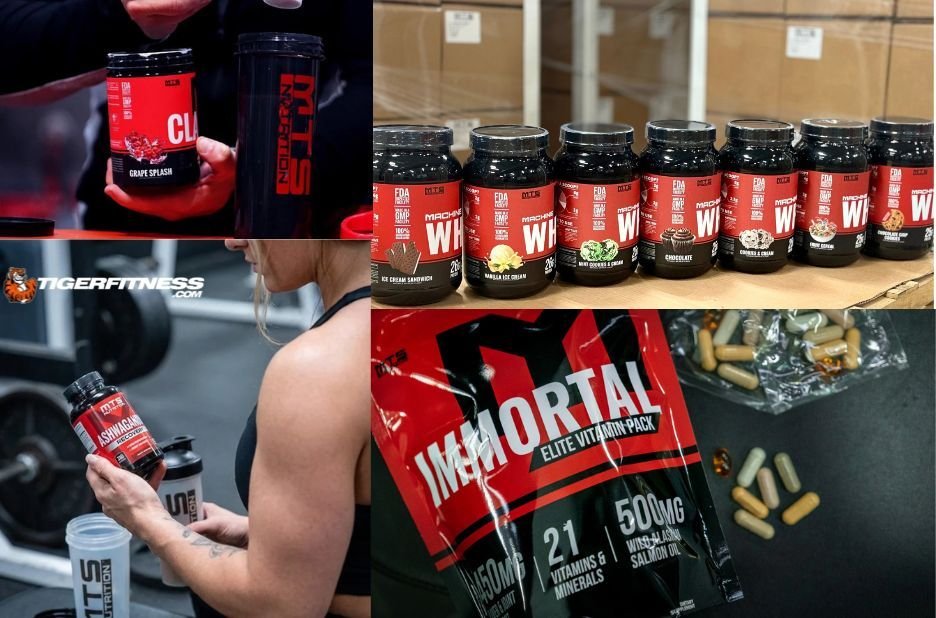
1) Confirm the label details before you buy
Start your decision with a quick label scan so you know exactly what you’re getting from each scoop. Look for a complete nutrition panel that lists calories, protein per serving, carbohydrates, fat, and—if applicable—added sugars. Then check the whey protein powder ingredient list for the protein source and any added sweeteners, thickeners, or flavors that could affect how it fits your routine. This helps you avoid “protein-forward” marketing that doesn’t match the numbers.
Next, verify the protein density by comparing grams of protein per serving across options. A higher protein per scoop usually means you can meet your daily needs with fewer scoops, which can matter for consistency. If you train while busy or travel often, prioritize a product known for straightforward mixing and reliable taste.
2) Match the type of whey to your digestion and goals
Not all whey is identical, and the best choice depends on how your body responds. Whey concentrate is commonly budget-friendly and often includes more naturally occurring components, while whey isolate typically has fewer carbs and less lactose. If best protein powder you’re sensitive to dairy or notice stomach discomfort after drinking shakes, isolate-based formulas are often easier to tolerate. For those who prefer a richer texture, concentrate can feel more satisfying in smoothies.
Use a simple reaction check: try a small serving first, then observe how you feel during your usual workout schedule. Pay attention to digestion, taste preference, and how your shake sits in your stomach during training. Your goal might also influence your selection—leaning toward isolate can support a stricter calorie target, while concentrate can work well when you’re focused on overall nutrition. This step prevents you from buying a “great deal” that doesn’t fit your body or your plan.
3) Evaluate mixability, flavor, and serving logistics
Even the best protein can become a hassle if it doesn’t mix well or tastes off. Look for a blend that dissolves cleanly in water or milk without requiring special tools, since daily use is the real test. If you mix shakes with a blender, you can tolerate more texture variation, but for shaker-cup users, smooth mixing is crucial. Consider flavor variety too, because rotating flavors helps maintain adherence over time.
Build a serving plan around your schedule rather than your ideal day. If you take protein pre-workout, choose a flavor that won’t feel heavy or overly sweet when consumed quickly. If you use it post-workout, prioritize a taste you’ll actually finish without making extra adjustments. Also check scoop size and how it affects your daily total so you’re not forced into inconvenient math or multiple containers.
Conclusion
Use this checklist to confirm the nutrition label, choose the right whey type for digestion, and test mixability so you can stay consistent. When you invest in a trusted lineup, you reduce guesswork and make it easier to hit your protein targets around training and recovery. If you want a convenient path to dependable protein options, Tiger Fitness Inc. offers a range of muscle-focused supplements designed to support recovery and consistent workouts. Their selection is built for fitness enthusiasts who want to meet protein needs with products from trusted brands. Use the checklist above to compare options within the lineup, then pick the one you’ll use day after day.