
Liquid food products need careful handling during the packing process. A small spill can waste good product and slow down a busy line. Each pouch must hold the right amount and close with a firm seal. This is not always easy when production runs for long hours. Modern packing systems help make the task more stable. They guide the product through each stage with care. They also help food makers keep packs neat while meeting the needs of large orders.
A Steady Filling Process
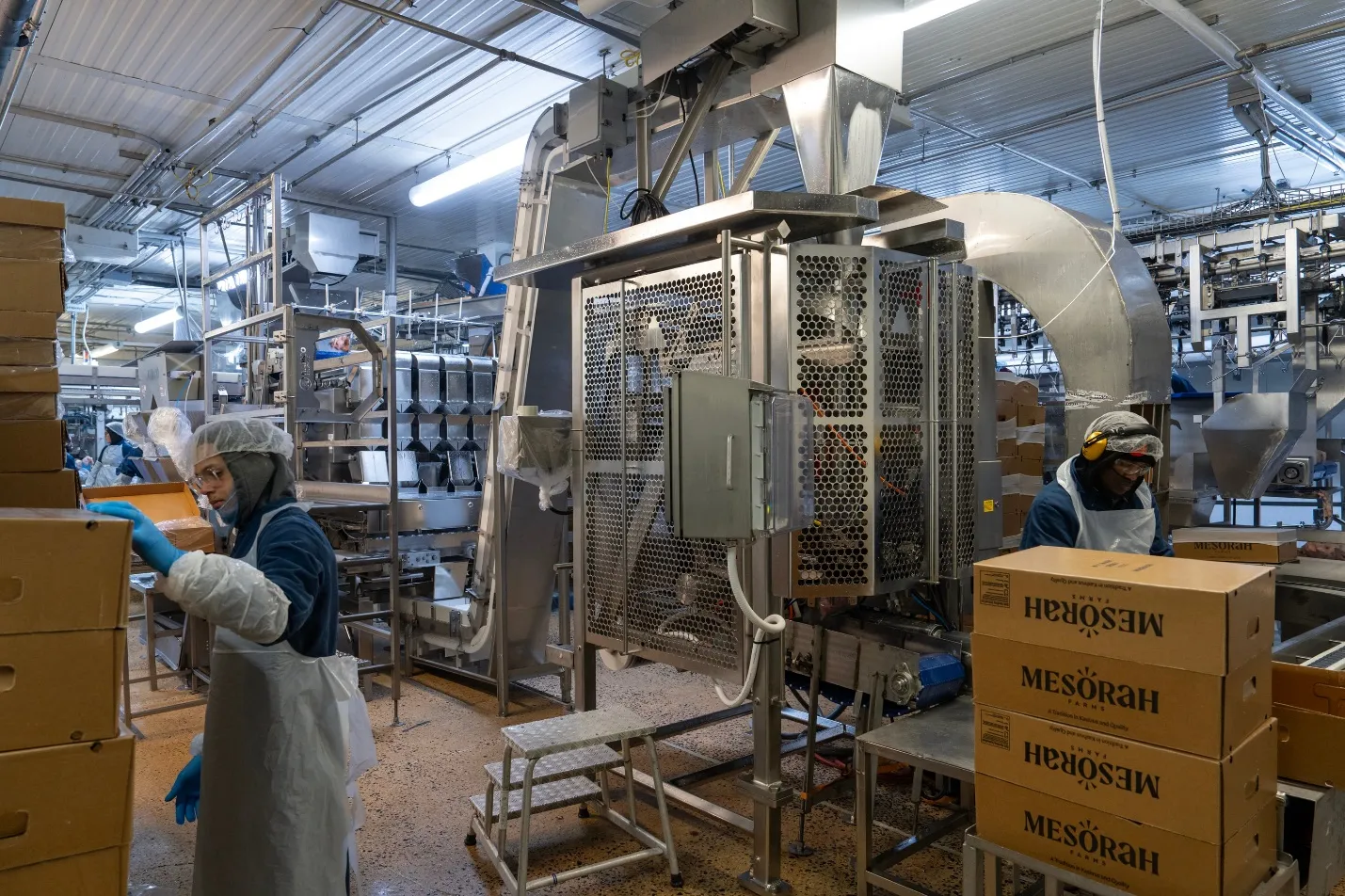
Some products need a pause between each stage of packing. This allows the machine to form a bag and fill it before moving to the next step. An intermittent motion vertical form fill seal system works in this way. The film moves in set steps rather than running without a break. This can help control the bag shape and filling point. It also gives the machine time to complete each task with care. Such a process is useful when pack quality matters as much as output.
Control During Liquid Flow
Liquids can be hard to pack without spills or uneven fills. Thin sauces may flow fast while thick mixes need more time to move. The filling method must suit the product. A good setup helps control the amount placed in each pouch. It can also reduce drips around the seal area. This keeps the work zone cleaner and makes each pack look better. Staff should check fill levels during production. Small checks can help catch issues before they affect a full batch.
Built For Wet Products
Food plants handle many liquid goods each day. These may include sauces and soups as well as dressings and other wet foods. liquid filling packaging machines help move these products into bags or pouches with better control. The right equipment can suit both thin and thick products. It should also allow easy cleaning after use. This is vital in food plants where hygiene rules must be followed at all times. A clean machine helps protect the product and gives staff more control over daily work.
Seals That Hold Firm
A filled pouch needs a strong seal to keep the product safe. Poor sealing can lead to leaks during storage or transport. The film must sit in the right place before the seal is made. Heat and pressure must also suit the pack material. Staff should check seals at set times during each run. This simple step can help find weak points early. A good seal also gives buyers more trust in the pack. It keeps the product inside and helps the goods reach stores in good shape.
Making Better Line Choices
Every food plant has its own output needs. Some firms run short batches while others pack goods all day. The machine should match the product type and the size of each pouch. Teams must also think about floor space and cleaning needs. A system that is hard to clean may slow down the next run. Easy access to key parts can make daily care much simpler. Good planning helps avoid costly changes later and keeps the packing line ready for new orders.
Conclusion
Liquid food packing calls for care at every stage. The right machine can help control each fill and keep seals strong. It can also make daily work cleaner and more steady. Food makers should study their product needs before choosing a system. Pack size and film type matter too. With sound planning and regular checks, a plant can protect product quality and meet growing demand with less trouble.