
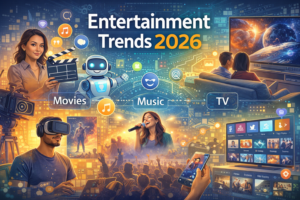
The entertainment industry continues to evolve rapidly as technology, audience preferences, and creative innovation reshape how people experience movies, music, and television. In 2026, the industry is characterized by digital transformation, global collaboration, and new storytelling formats that connect audiences across different platforms. Streaming services, artificial intelligence, immersive technologies, and social media have become central forces influencing how entertainment content is produced and distributed.
Consumers today expect more personalized, accessible, and interactive entertainment experiences. As a result, entertainment companies are investing heavily in technology-driven solutions that improve viewer engagement and content discovery. At the same time, creators are exploring new storytelling styles and creative collaborations that reflect diverse cultures and global perspectives.
Understanding the key entertainment trends shaping movies, music, and television in 2026 helps reveal how the industry is adapting to modern audiences and technological possibilities.
Table of Contents
ToggleThe Continued Growth of Streaming Platforms
Streaming platforms remain the most influential force in the entertainment industry. Over the past decade, audiences have shifted significantly from traditional cable television and physical media toward digital streaming services. In 2026, streaming platforms dominate how people watch movies, listen to music, and consume television content.
These platforms provide users with on-demand access to vast libraries of entertainment, allowing viewers to watch content whenever and wherever they choose. Personalized recommendation systems powered by advanced algorithms analyze viewing habits and suggest new shows, films, or music tailored to individual preferences. This data-driven approach helps audiences discover content they may not have found through traditional broadcast channels.
Streaming services have also expanded globally, investing in original productions from different regions around the world. This strategy allows international storytelling to reach broader audiences while giving creators from various cultural backgrounds greater opportunities to share their stories.
Artificial Intelligence Transforming Content Creation
Artificial intelligence is becoming an increasingly important tool in entertainment production. In 2026, AI is being used across multiple stages of content creation, including script analysis, music composition, editing, and visual effects. These technologies allow filmmakers, musicians, and television producers to streamline production processes while exploring new creative possibilities.
AI-powered analytics can also help studios identify audience trends and predict which types of stories may perform well with viewers. By analyzing data from streaming platforms and social media engagement, producers can make more informed decisions about content development.
Despite these benefits, the rise of AI in entertainment has sparked discussions about originality and creative ownership. Industry professionals continue to debate how artificial intelligence should be used while ensuring that human creativity remains at the center of storytelling and artistic expression.
Global Content and Cultural Diversity
One of the most significant entertainment trends in recent years is the increasing popularity of global content. Audiences today are more open to watching films, listening to music, and following television series produced in different countries and languages. Streaming platforms have made international content easily accessible, breaking down many of the barriers that once limited global distribution.
This trend has led to the success of films and series from regions such as Asia, Europe, and Latin America gaining popularity worldwide. Music genres from various cultures have also reached global audiences, influencing mainstream music production.
The growing demand for diverse storytelling has encouraged entertainment companies to invest in international productions and collaborations. By supporting creators from different cultural backgrounds, the industry is expanding the range of stories and perspectives available to audiences.
The Rise of Short-Form and Social Media Entertainment
Social media platforms have transformed how entertainment content is consumed and shared. In 2026, short-form videos and digital-first entertainment formats play a significant role in shaping audience preferences. Many viewers discover new films, television series, and music through clips and promotional content shared on social platforms.
Short-form content is particularly popular among younger audiences who prefer quick, engaging entertainment experiences that fit into their daily routines. As a result, studios and music labels increasingly use social media campaigns to promote their projects and connect with fans.
Additionally, many creators are building successful careers by producing original digital content that eventually leads to opportunities in traditional film, television, or music industries. This shift demonstrates how social media has become an important talent discovery platform.
Immersive Technologies and Interactive Experiences
Immersive technologies such as virtual reality (VR) and augmented reality (AR) are gradually becoming part of the entertainment landscape. These technologies allow audiences to experience stories in new ways by placing them directly inside digital environments.
In filmmaking and television production, immersive technology can enhance storytelling by creating interactive experiences where viewers feel more connected to the narrative. Music concerts and entertainment events are also experimenting with virtual experiences that allow fans to participate remotely through digital platforms.
While immersive technologies are still developing, many entertainment companies are exploring how these tools can expand storytelling possibilities and create new revenue streams. As technology improves and becomes more accessible, interactive entertainment experiences are expected to grow significantly.
Hybrid Release Strategies for Movies and Shows
The way movies and television series are released has changed significantly in recent years. Instead of relying solely on traditional theater premieres or scheduled television broadcasts, many studios now use hybrid distribution strategies.
Hybrid releases combine theatrical screenings with simultaneous or delayed streaming platform availability. This approach allows entertainment companies to reach wider audiences while adapting to different viewing preferences. Some viewers still enjoy the cinematic experience of watching films in theaters, while others prefer the convenience of home streaming.
For television series, streaming platforms often release entire seasons at once, enabling binge-watching experiences. However, some shows still adopt weekly release schedules to maintain audience anticipation and engagement over longer periods.
Music Industry Integration with Film and Television
Music continues to play a crucial role in enhancing storytelling within movies and television. In 2026, collaboration between musicians and filmmakers has become even more integrated. Original soundtracks, theme songs, and music-driven storytelling help create memorable emotional connections with audiences.
Streaming platforms and digital media have also allowed music featured in films and television shows to gain immediate popularity. When a song appears in a successful series or movie, it can quickly reach millions of listeners through music streaming platforms.
This integration benefits both industries. Filmmakers gain powerful tools for storytelling, while musicians receive valuable exposure and opportunities to reach new audiences through visual media.
The Future of Entertainment Innovation
The future of the entertainment industry will likely continue to be shaped by technology, audience behavior, and creative experimentation. As digital platforms evolve, entertainment companies will continue exploring new ways to deliver content across multiple devices and formats.
Artificial intelligence, immersive technology, and global collaboration are expected to remain major drivers of industry growth. At the same time, creators will continue to push artistic boundaries by combining different storytelling techniques and cultural influences.
The entertainment landscape of 2026 reflects an industry that is increasingly interconnected and technologically advanced. While traditional forms of storytelling remain important, the integration of digital innovation ensures that entertainment continues to evolve and adapt to modern audiences.
Conclusion
Entertainment in 2026 is defined by innovation, global connectivity, and evolving audience expectations. Streaming platforms, artificial intelligence, immersive technologies, and social media have reshaped how movies, music, and television are created and consumed.
These trends highlight the industry’s ability to adapt to changing technologies and viewer behaviors while continuing to deliver engaging stories and creative experiences. The growing importance of global storytelling and digital platforms ensures that audiences have access to a wider range of voices and perspectives than ever before.
As the entertainment industry moves forward, collaboration between technology and creativity will remain essential. By embracing innovation while preserving the power of storytelling, the worlds of movies, music, and television will continue to inspire and entertain audiences across the globe.